Address:Dikouzhang, Bozhen, Botou City, Hebei Province, China
Phone:+86-18330779870
Address:Dikouzhang, Bozhen, Botou City, Hebei Province, China
Phone:+86-18330779870
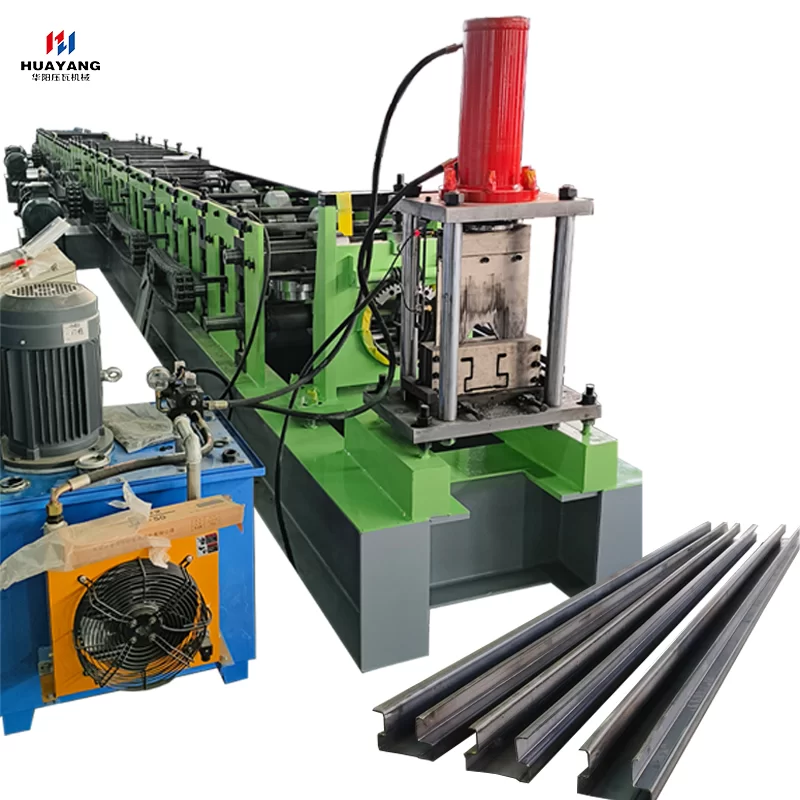
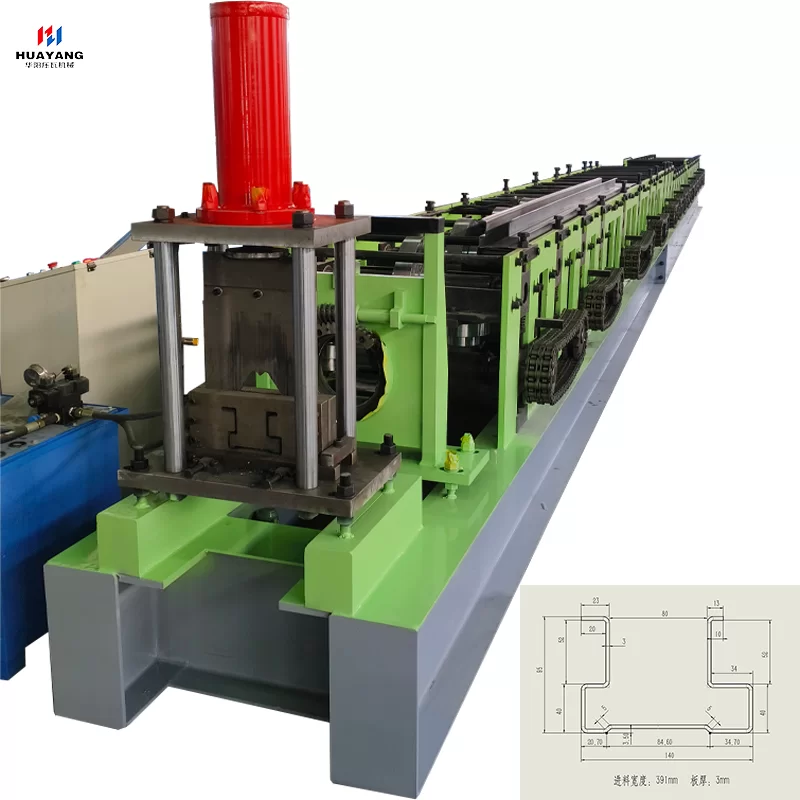
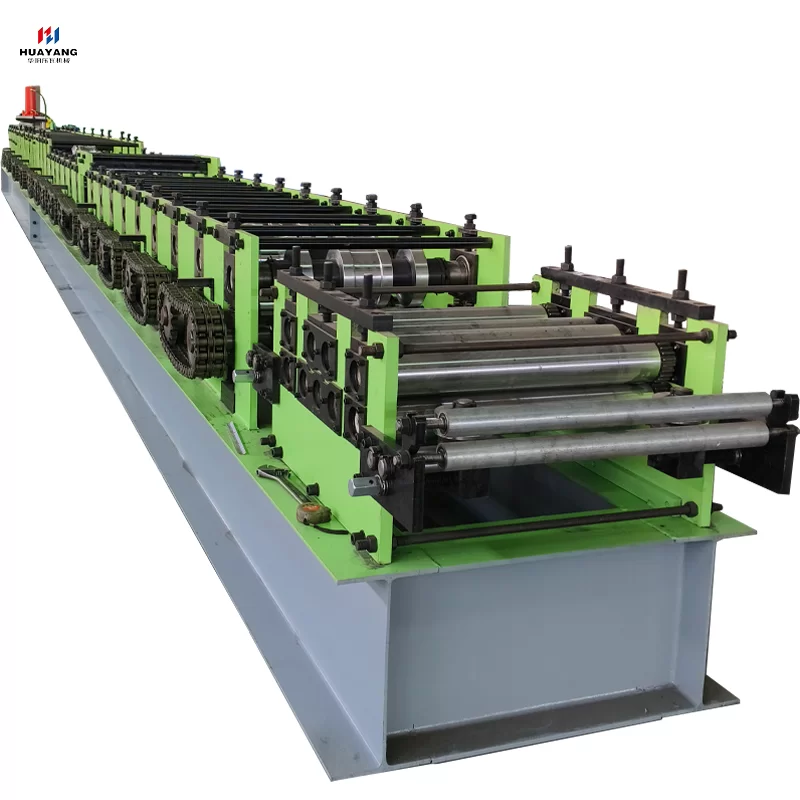
The Steel Door Frame Roll Forming Machine is a high-precision production solution for forming galvanized steel coils into door and window frame profiles. Designed for versatility and structural stability, it supports residential, commercial, and industrial construction applications. Consistent profile dimensions help ensure a smooth installation process and dependable performance.
With CNC-machined rollers and an industrial PLC control system, the machine supports accurate, efficient production while reducing manual handling. It can produce standard C, U, and L profiles, as well as customized architectural designs. The production workflow can combine decoiling, leveling, roll forming, and precision cutting to help manufacturers improve throughput and reduce material waste.
| Material Type | Galvanized / Cold-rolled / Pre-painted Steel | Thickness Range | 0.65mm - 1.0mm |
|---|---|---|---|
| Profile Shapes | C, U, L, and Customized Architectural Profiles | Control System | Industrial PLC with Touchscreen Interface |
| Core Components | Uncoiler, Leveler, Roll Former, Cutting Unit | Drive System | High-torque Motor with Variable Speed Drive |
| Cutting Method | Hydraulic or Flying Cut-off System | Precision Level | High-Accuracy CNC Machined Rollers |
| Frame Construction | Reinforced Heavy-duty Steel Base | Customization | Available based on Sample or Drawing |
The reinforced heavy-duty frame and vibration-free operation support consistent profile dimensions during high-speed production.
Integrated feeding, punching, and cutting help streamline production, reduce labor requirements, and limit secondary processing.
CNC-machined rollers support repeatable forming, dimensional accuracy, and reduced material waste.
The PLC control system supports straightforward parameter entry, recipe storage, and real-time diagnostics to help minimize downtime.
Adaptable roller stations allow production to switch between profiles to suit a range of architectural requirements.
Support includes installation guidance, operator training, and remote troubleshooting throughout the equipment lifecycle.
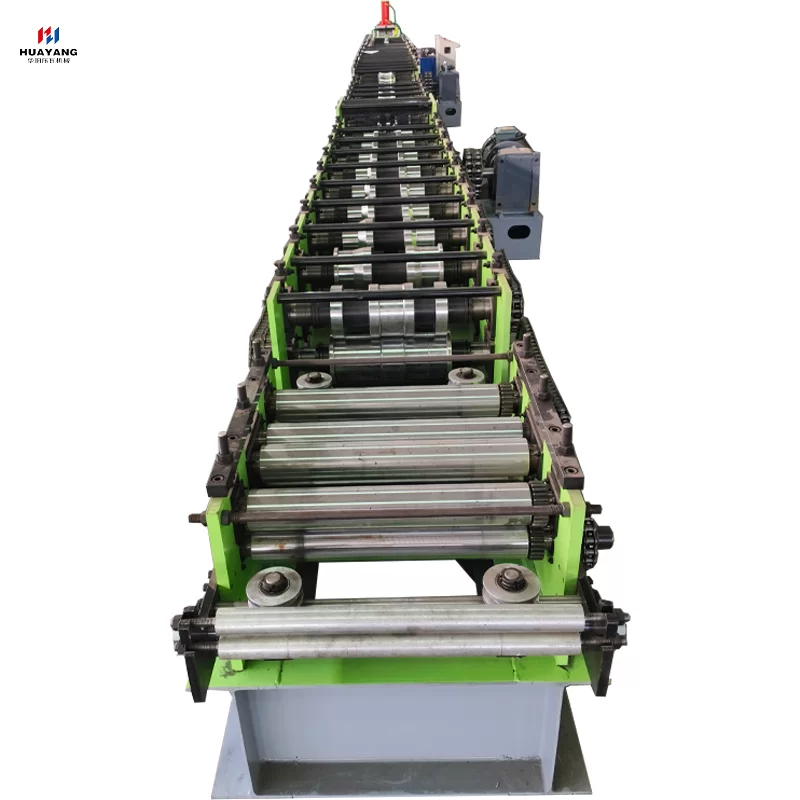
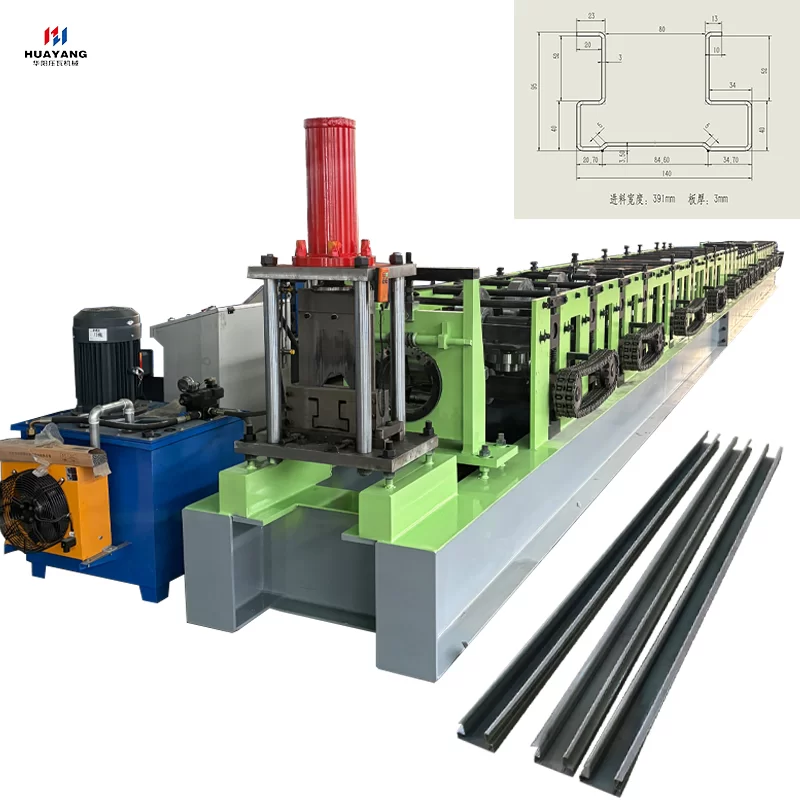
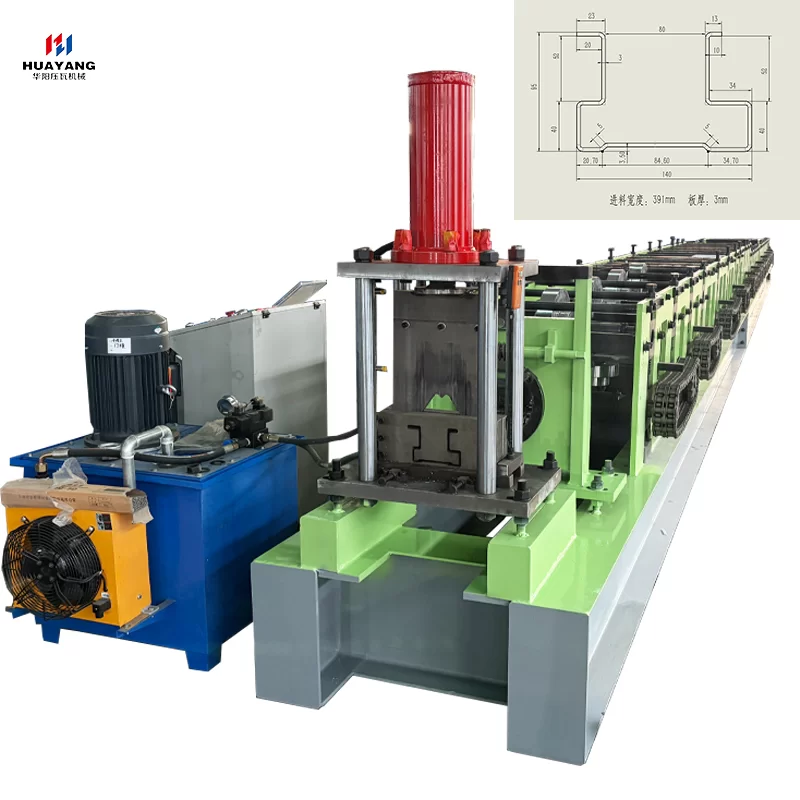
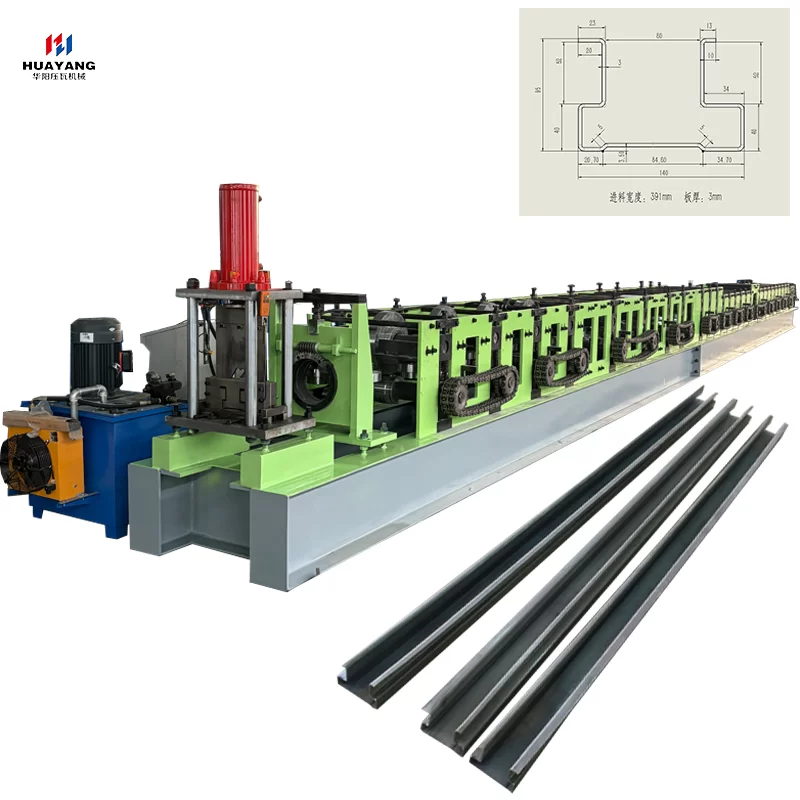
The decoiler and leveling devices prepare the steel coil for a smooth, controlled start to the roll forming process.
Progressive forming stations distribute pressure across the material to help prevent deformation and surface scratches.
Integrated notching systems can form accurate cutouts for hinges and locks during the production cycle.
Hydraulic cutting systems produce consistent lengths, with precision cutting designed to reduce material waste.
The industrial PLC coordinates the machine modules to support synchronized, automated production.
Real-time monitoring and fault detection help reduce downtime and maintain consistent output quality.
| Performance Metric | Traditional Fabrication | Huangyang Roll Forming |
|---|---|---|
| Production Speed | Low (Manual/Batch) | High (Continuous) |
| Labor Requirement | High (Manual Skilled) | Low (Automated) |
| Material Waste | Significant (Cutting loss) | Minimal (Precision Roll) |
| Profile Consistency | Variable (Human Error) | Absolute (CNC Control) |
| Setup Time | Long (Per unit) | Short (Recipe based) |
Yes. Customized production is available based on your profile drawings or physical samples. Our engineering team can design a machine to suit your specified profile requirements.
Standard steel door frame roll forming machines are typically designed to process material from 0.65mm to 1.0mm thick.
Yes. Punching and notching systems can be integrated into high-efficiency production lines to create precise cutouts during roll forming and reduce secondary processing.
CNC-machined rollers, a reinforced vibration-free frame, and an industrial PLC help maintain accuracy by coordinating machine movement and cutting.
The machine is designed to process cold-rolled steel, galvanized steel, and pre-painted steel coils.
Yes. Support includes installation guidance, operator training, technical documentation, and remote troubleshooting to help you operate the machine effectively.