
Address:Dikouzhang, Bozhen, Botou City, Hebei Province, China
Phone:+86-18330779870
Address:Dikouzhang, Bozhen, Botou City, Hebei Province, China
Phone:+86-18330779870
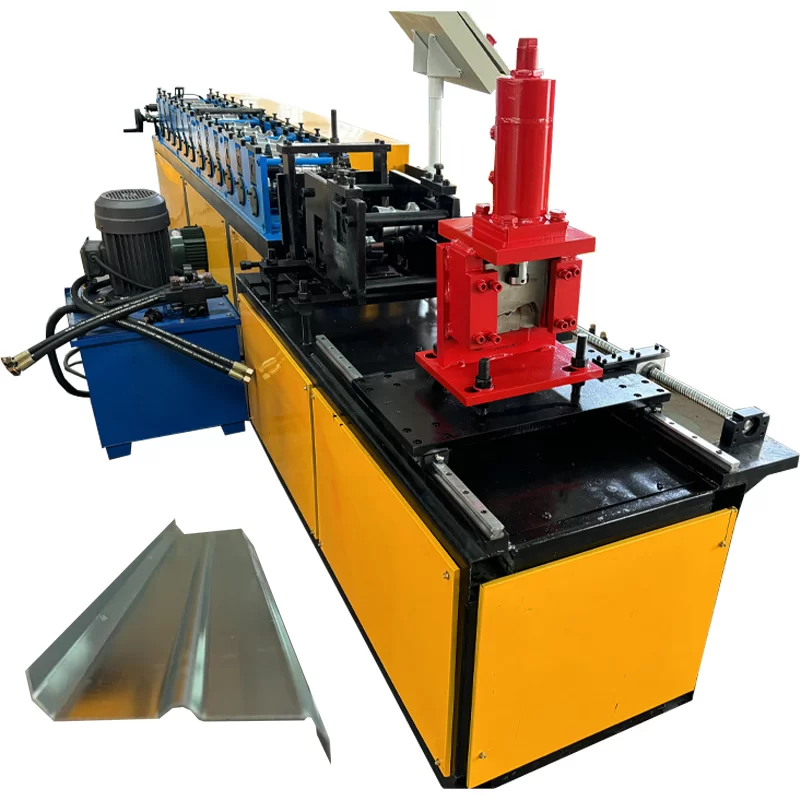
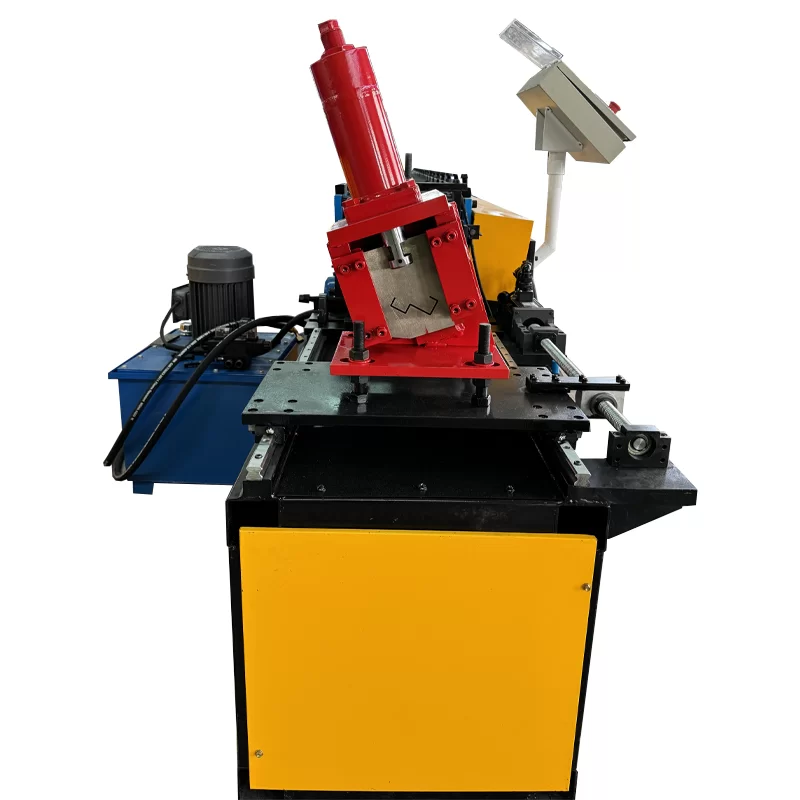
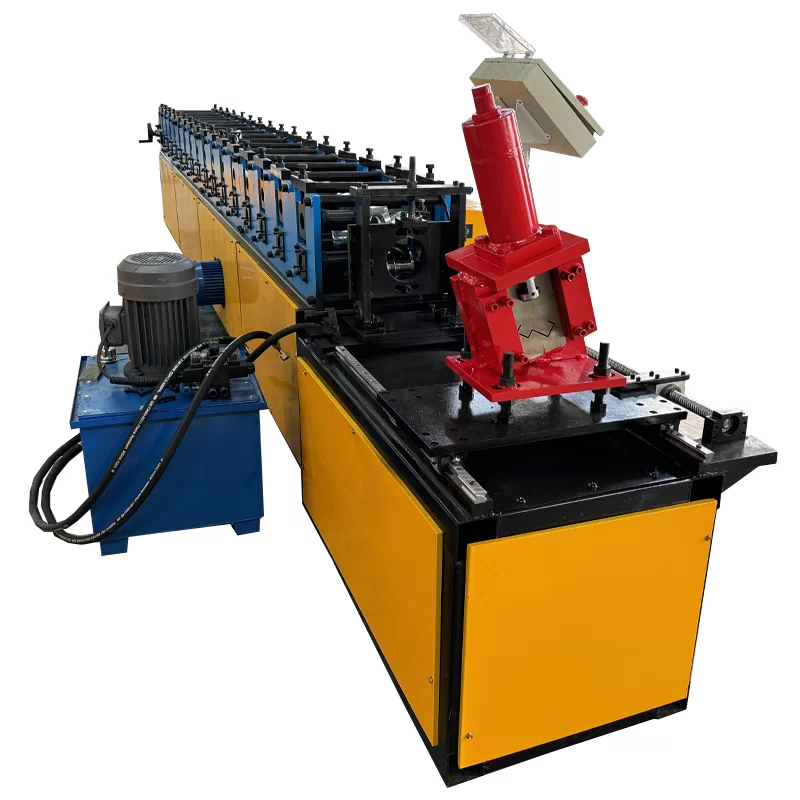
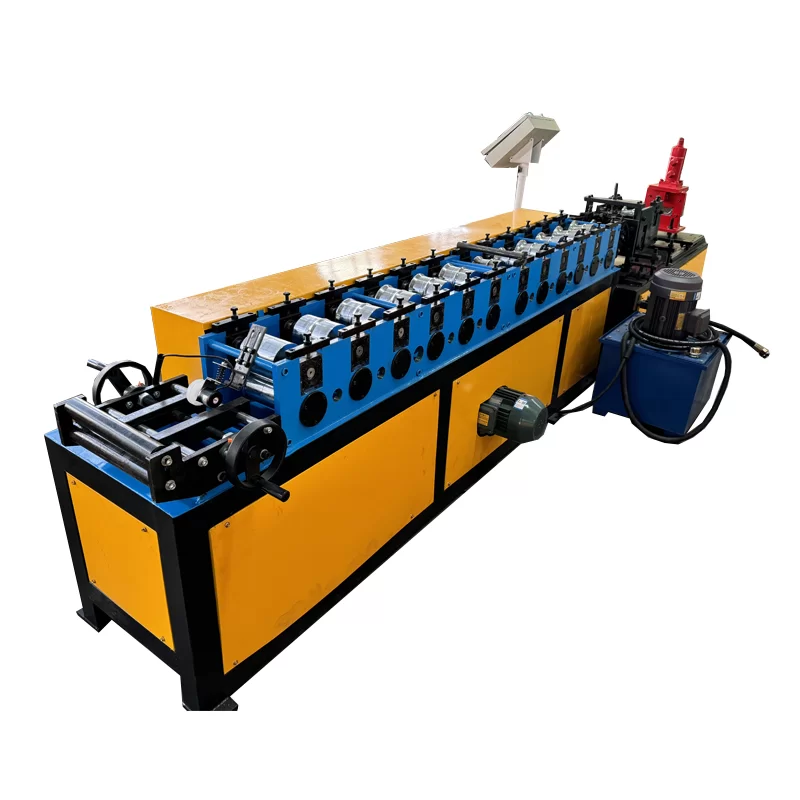
Botou Huangyang Roll Forming Machinery Co., Ltd. supplies Window Shutter Louvers Panel Making Machines and Light Gauge Steel (LGS) Frame Roll Forming solutions for architectural metal production. Designed to support dimensional accuracy and consistent profiles, these machines process metal coils into ventilation panels and structural framing components. CNC machining technology and precision roll forming stations help manufacturers produce clean, uniform profiles for modern construction applications.
Production lines can be configured for galvanized steel, pre-painted steel, aluminum, and light gauge steel. They support products ranging from decorative shutter louvers to structural C-studs and U-tracks. Customizable cold roll forming, with integrated servo-driven punching and hydraulic cutting options, can reduce the need for secondary processing. This coordinated production approach helps limit material waste and labor requirements for manufacturers serving the prefabricated building and architectural metal industries.
| Compatible Materials | Galvanized and pre-painted steel, aluminum, and LGS | Control System | Advanced PLC with touch-screen interface |
|---|---|---|---|
| Forming Technology | CNC precision roll forming | Cutting System | Hydraulic or flying cutting unit |
| Punching Capability | Servo-driven hole punching and embossing | Roller Material | High-quality alloy steel with polished surface |
| Profile Types | Shutter louvers, C-studs, U-tracks, and joists | Feeding System | Automatic decoiler or servo feeding device |
| Machine Frame | High-strength reinforced steel structure | Operation Mode | Semi-automatic or fully automatic |
CNC-machined rollers support close tolerances and consistent dimensions across the panels and framing profiles produced.
Integrated servo punching and flying cutting can reduce secondary processing and help maintain a continuous production workflow.
Polished rollers and optimized pressure distribution help protect coated materials from scratches during forming.
The PLC control system supports convenient parameter adjustment and storage of multiple production recipes.
Machine configurations can be tailored to the customer’s profile drawings and technical requirements.
Coordinated feeding and cutting help improve material utilization and minimize scrap during production.
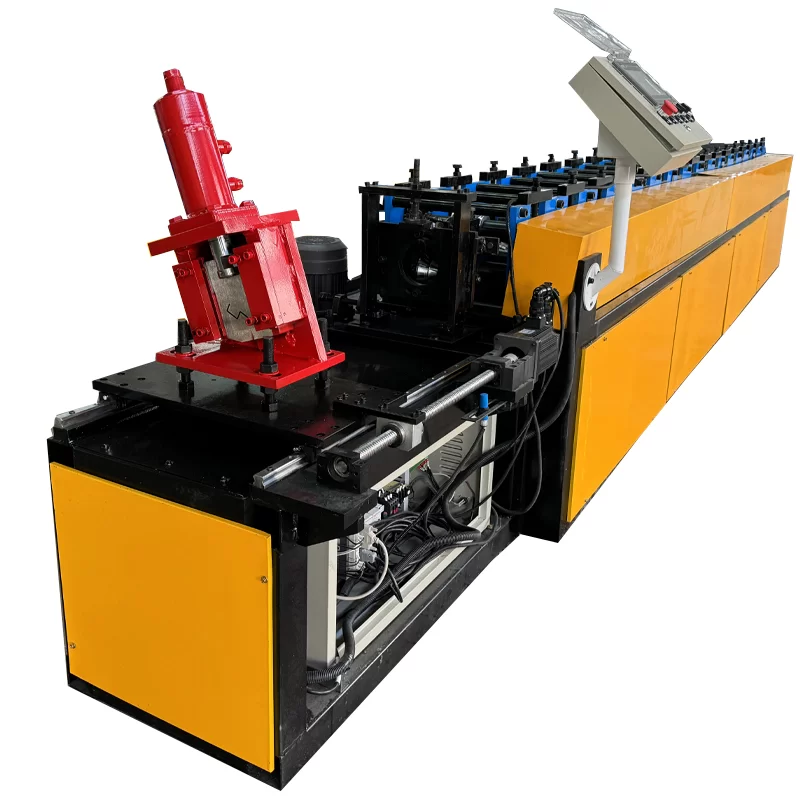
Save multiple profile dimensions in the system to support faster changeovers and reduce setup time.
Check production speed and machine status through the integrated PLC interface.
Automated system alerts help operators identify operational errors and respond promptly.
Coordinate operation between the decoiler, roll forming stations, and cutting unit.
Optimized feeding helps monitor material use and reduce production scrap.
Technical assistance and remote troubleshooting are available to support stable machine operation.
| Comparison Factor | Traditional Fabrication | Huangyang Roll Forming |
|---|---|---|
| Production Speed | Low; manual or batch production | Ultra-high; continuous production |
| Labor Cost | High labor dependency | Low labor dependency through automation |
| Material Waste | Significant off-cuts | Minimal waste with precise cutting |
| Consistency | Varies by operator | Uniform production accuracy |
| Setup Time | Slow, manual setup | Fast setup using digital recipes |
The machines are designed for galvanized steel, pre-painted steel, aluminum, and various light gauge steel coils.
Yes. The cold roll forming equipment can be customized based on your profile drawings, dimensions, and technical requirements.
Polished rollers and optimized pressure distribution help protect the material surface and reduce the risk of scratches or deformation.
The production line can integrate servo-driven punching, hydraulic cutting, PLC controls, and automatic decoilers to support a coordinated workflow.
Yes. Installation guidance, operator training, and ongoing technical support are provided to help customers operate the equipment and maintain production stability.
Higher production speed, reduced manual labor, and lower material waste can help decrease the production cost per unit compared with traditional methods.