
Address:Dikouzhang, Bozhen, Botou City, Hebei Province, China
Phone:+86-18330779870
Address:Dikouzhang, Bozhen, Botou City, Hebei Province, China
Phone:+86-18330779870
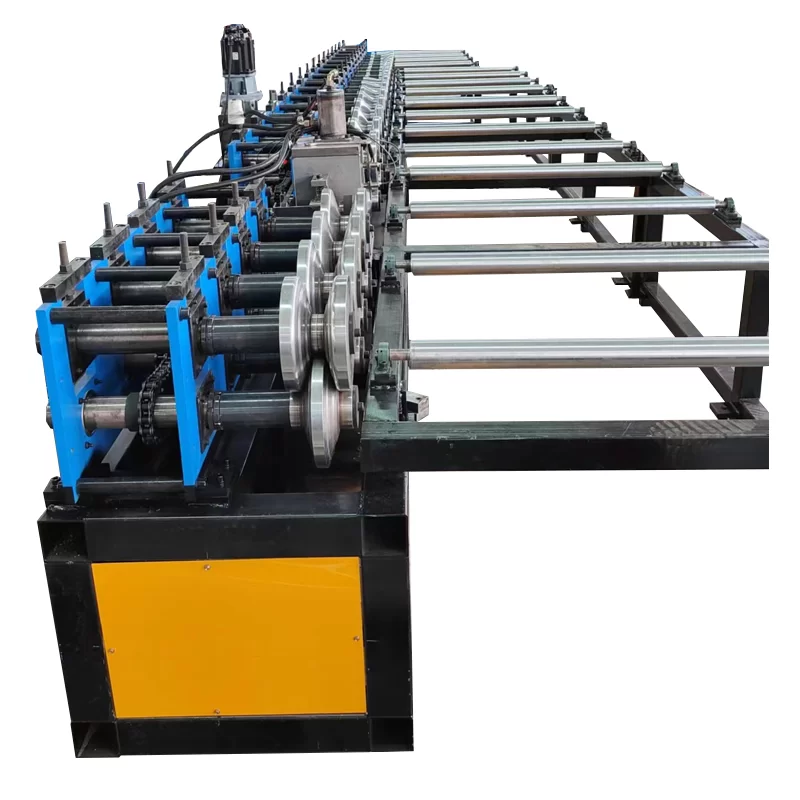
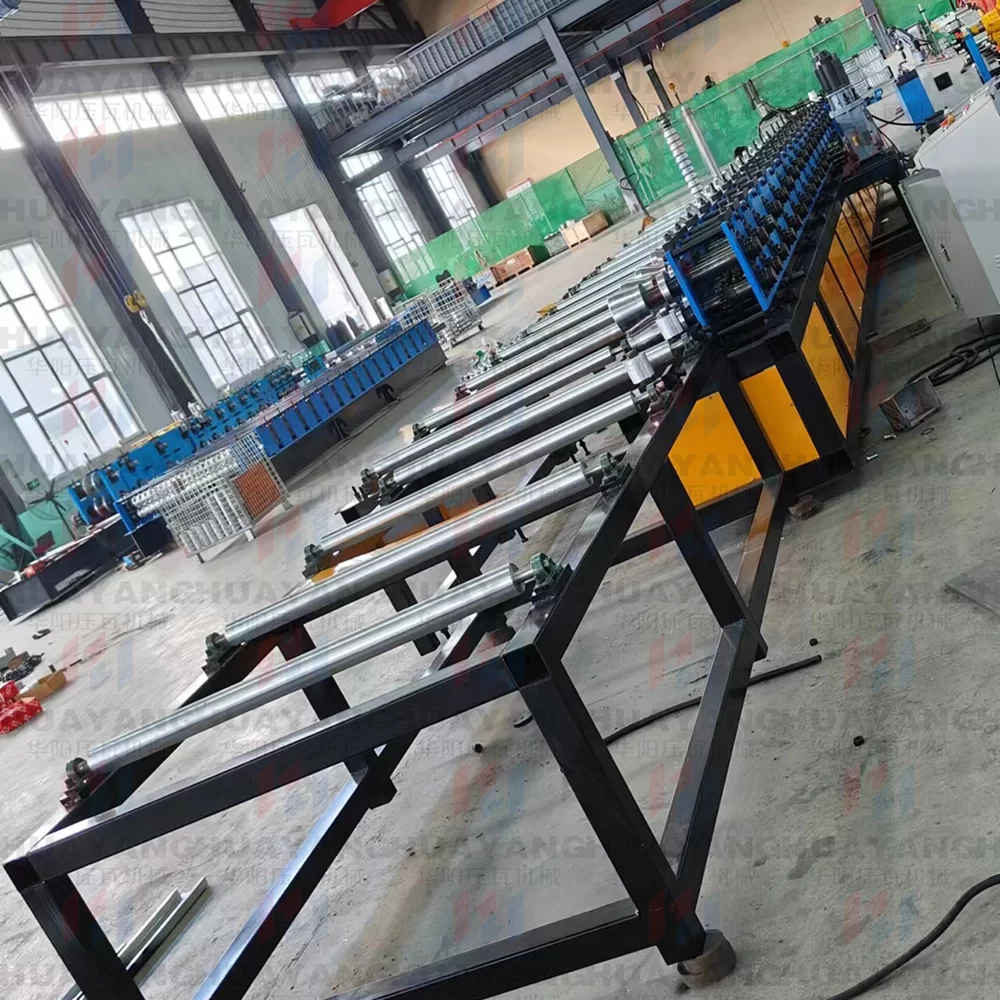
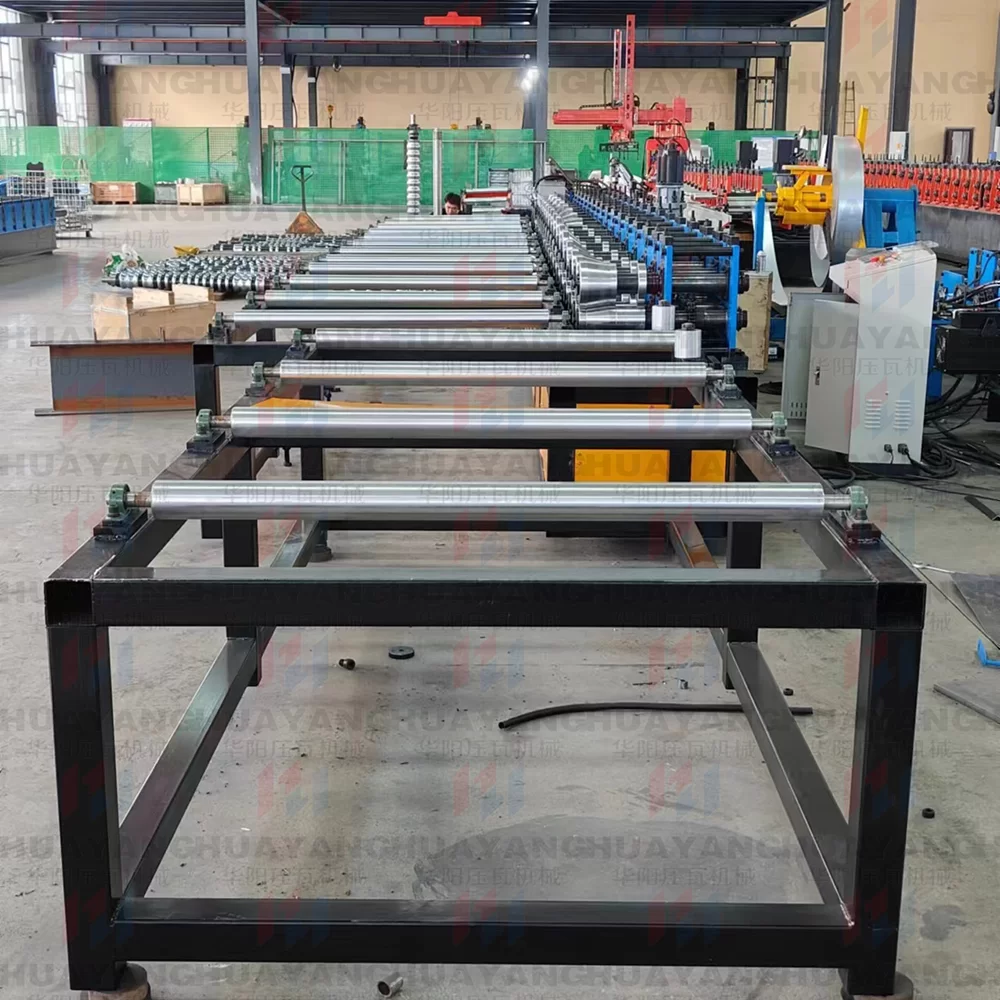
The Silo Roof Roll Forming Machine is a high-precision production solution for manufacturing structural roof panels used in agricultural grain silos, water tanks, and industrial storage systems. Designed by Botou Huayang Roll Forming Machine Co., Ltd., it processes steel sheets from 1mm to 3mm thick. Consistent panel forming supports accurate fitment and structural integrity, helping protect stored materials from environmental contaminants and moisture.
Multi-pass cold roll forming works alongside automated feeding and hydraulic cutting to support an efficient, continuous production process. The machine can be configured for circular, conical, or custom-designed silo roofs. Based on customer profile drawings, the equipment can be tailored to panel dimensions and rib configurations for projects that require dependable, consistently formed roof panels.
| Material Thickness | 1mm - 3mm | Processing Material | Galvanized / Coated Steel Sheets |
|---|---|---|---|
| Forming Technology | Multi-pass Cold Roll Forming | Cutting System | Automated Hydraulic Cutting |
| Control System | Automated PLC Control | Feeding Mechanism | Automatic Feeding System |
| Roof Compatibility | Circular, Conical, and Custom Shapes | Panel Precision | High-Precision Dimensional Consistency |
| Customization | Based on Customer Profile Drawings | Application | Grain Silos / Water Tanks / Storage |
Form panels with mechanical strength and uniform load distribution to support silo roof performance in demanding weather conditions.
Automatic feeding and hydraulic cutting support continuous production and can help reduce manufacturing time and manual handling.
High-precision forming supports accurate panel fitment, helping create roof assemblies that protect stored materials from moisture.
Configure the machine to customer-provided drawings, including requirements for roof curvature, panel dimensions, and rib spacing.
An optimized forming process can help limit scrap and energy consumption while supporting more sustainable manufacturing practices.
User-friendly controls and a low-maintenance design support efficient day-to-day operation in industrial production environments.
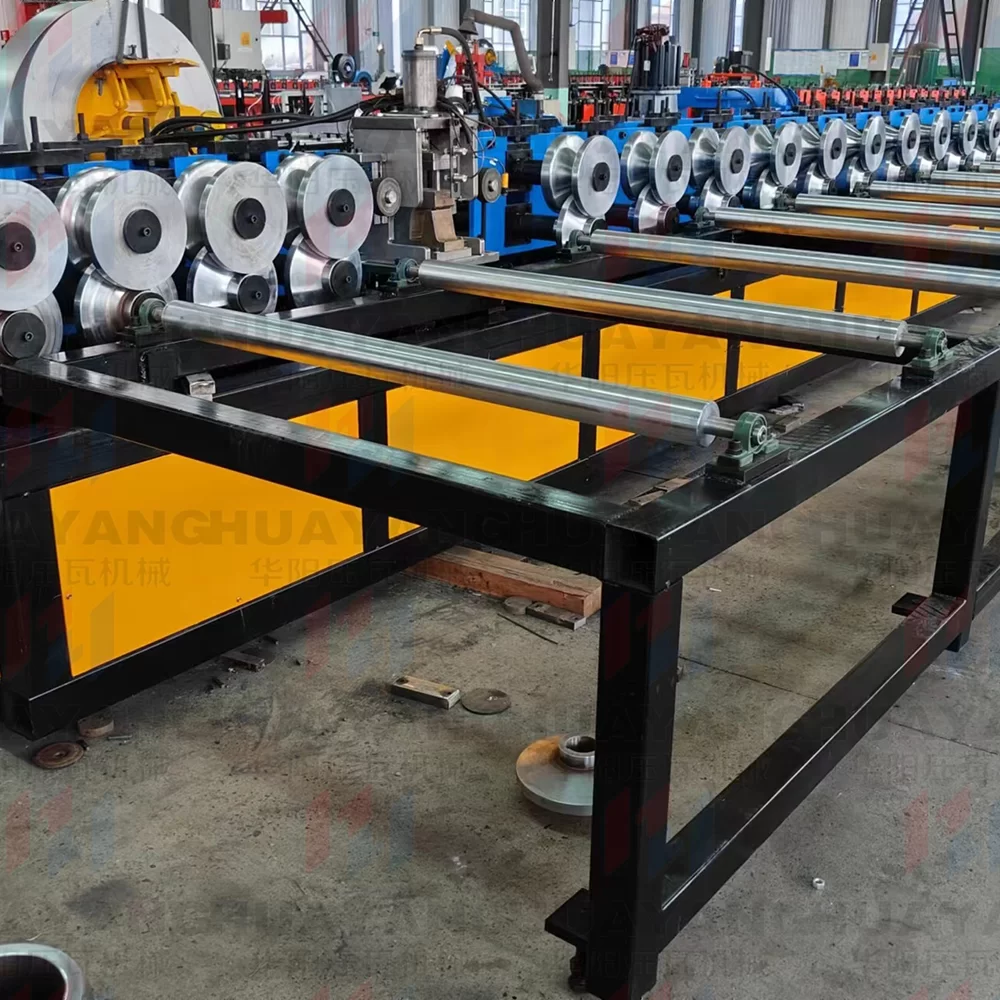
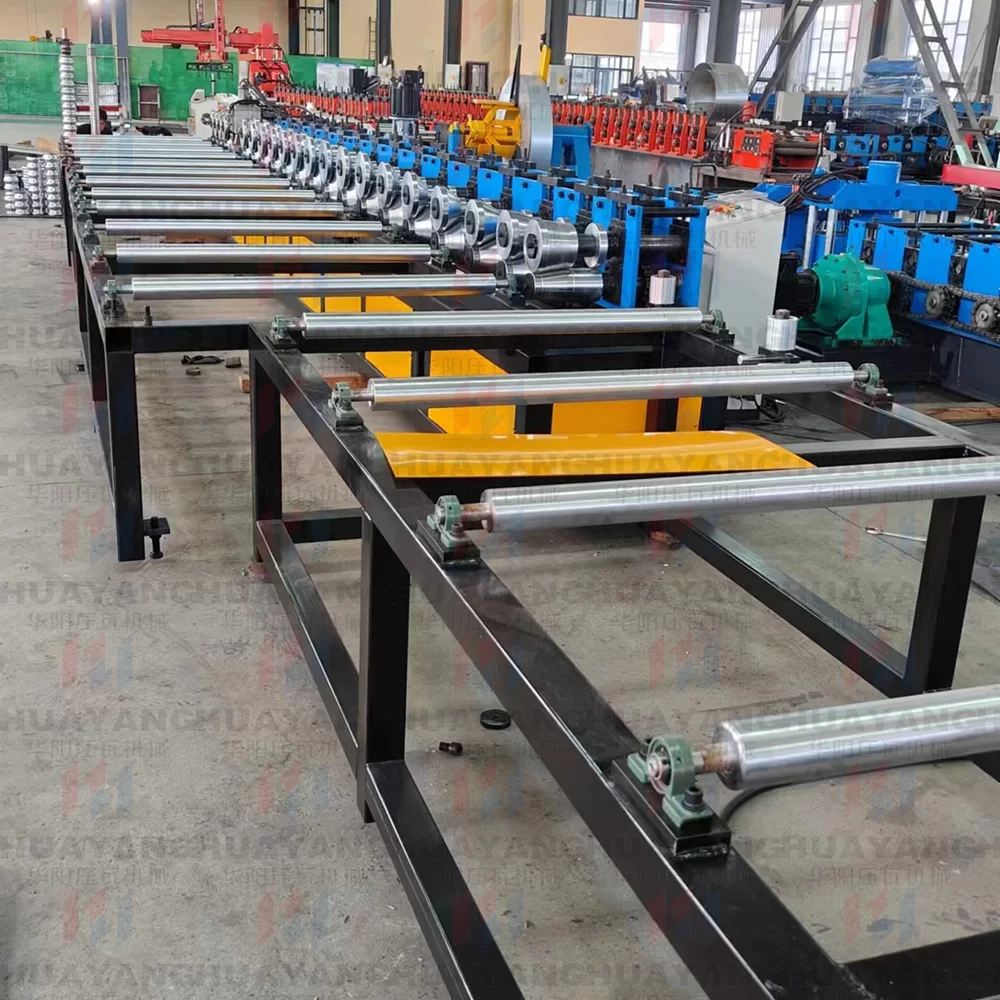
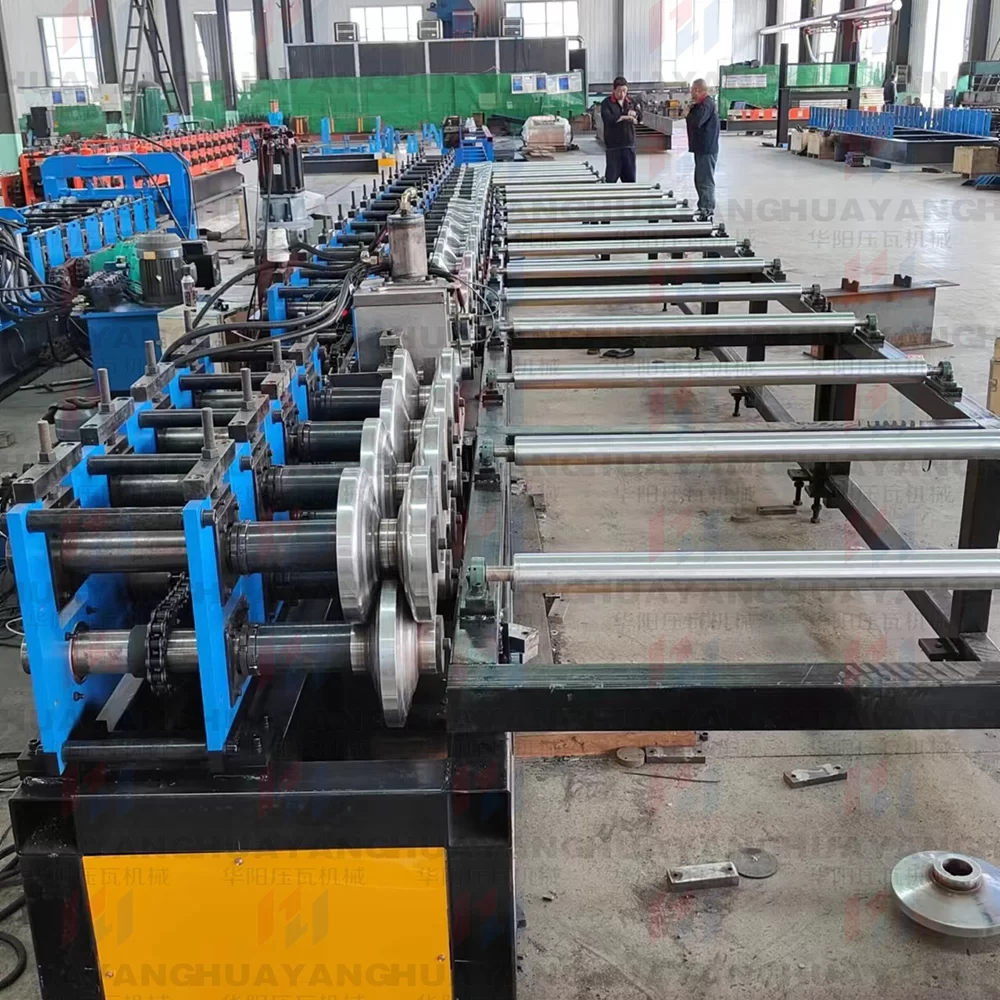
Integrated decoilers and feeding systems help transfer raw material smoothly into the roll forming line.
PLC controls support accurate management of panel length, curvature, and rib configuration.
Real-time monitoring of forming dimensions helps maintain panel consistency and meet production quality requirements.
Controlled hydraulic operation supports clean cutting and consistent forming force throughout production.
Flexible machine settings enable transitions between different silo roof profiles and sizes.
Installation guidance and operational training help customers get the equipment ready for production and support machine uptime.
| Performance Metric | Manual / Older Method | Botou Huayang Machine |
|---|---|---|
| Production Speed | Low / Inconsistent | High / Continuous |
| Material Waste | High Scrap Rate | Minimal / Optimized |
| Labor Requirement | Heavy Manual Labor | Low / Automated |
| Dimensional Accuracy | Prone to Human Error | High-Precision PLC |
| Long-term Durability | Variable Quality | Consistent Industrial Grade |
The machine is designed to process steel sheets, including galvanized and coated steel, typically from 1mm to 3mm thick. These materials are used to produce silo roof panels with corrosion-resistant properties.
Yes. The machine can be configured to produce panels for circular, conical, and custom-designed silo roofs according to your project requirements.
Botou Huayang can tailor the machine based on customer-provided profile drawings, including the required panel dimensions, roof curvature, and rib configuration.
Automated hydraulic cutting produces accurately sized panels with clean edges. It also reduces manual handling, helps minimize material waste, and supports a more efficient production cycle.
Yes. The machine is designed for large-scale projects, including 10,000-ton grain silos, where consistent panel production and structural integrity are important.
Yes. Support includes installation guidance, operational training for your staff, and ongoing maintenance assistance.